

Latest Developments in the Steel Industry
Release time:
2024-06-21
In the dynamic global economic scenario, the steel industry is at the forefront of a transformative phase, with far - reaching implications for both domestic and international trade landscapes. These shifts are not only redefining market dynamics but also presenting a plethora of opportunities and hurdles for steel - related businesses engaged in foreign trade.

1. Market Supply, Demand and Price Oscillations
The steel market's supply - demand matrix has been in a state of flux. Emerging economies are the vanguards of steel demand growth. In Asia, countries like India are witnessing a construction boom. Massive infrastructure projects, including the building of smart cities and the expansion of the railway network, are fueling an insatiable appetite for steel. The demand for high - quality steel products, such as high - strength structural steel for skyscrapers and corrosion - resistant steel for bridges, has skyrocketed.
Conversely, in Europe, the steel production landscape is undergoing a significant overhaul. Soaring energy costs, mainly due to the region's transition to cleaner energy sources and geopolitical factors, have forced many traditional steel - making powerhouses, like Germany and the UK, to scale back their production. Some steel mills have even suspended operations temporarily. This has led to a supply crunch in the European market, causing prices to spike.
However, the price volatility is also influenced by seasonal and cyclical factors. During the off - peak construction seasons in the Northern Hemisphere winter, the demand for steel softens, leading to a downward pressure on prices. Moreover, the global economic slowdown in some sectors has also contributed to the erratic price movements.
2. Technological Breakthroughs Transforming the Steel Industry
The steel industry is no stranger to technological innovation, and recent advancements are revolutionizing the production and processing methods. The adoption of advanced electric arc furnace (EAF) technology is on the rise. EAFs use electricity to melt scrap steel, reducing the reliance on virgin iron ore. This not only cuts down the energy consumption by up to 30% compared to traditional blast furnace methods but also significantly curbs carbon emissions. Many steelmakers in North America and Europe are increasingly turning to EAFs to meet their sustainability goals and reduce production costs.
In the realm of steel processing, digital twin technology is making waves. By creating a virtual replica of the entire steel production process, manufacturers can simulate different scenarios, optimize production parameters, and predict equipment failures in advance. A leading steel company in South Korea implemented digital twin technology and witnessed a 15% improvement in production efficiency and a 20% reduction in unplanned downtime.
3. Green Imperatives Driving the Steel Industry Forward
Sustainability has become the cornerstone of the steel industry's future. In response to the global call for carbon neutrality, steel companies around the world are implementing a series of green initiatives. In China, the world's largest steel - producing country, many steel mills are investing heavily in carbon capture and storage (CCS) technology. By capturing the carbon dioxide emitted during the steel - making process and storing it underground, these mills aim to reduce their carbon footprint significantly.
The circular economy concept is also gaining traction in the steel sector. The recycling of scrap steel has become a key focus. In Japan, with its limited natural resources, the scrap steel recycling rate has reached an impressive 80%. Recycled steel not only conserves natural resources but also requires less energy to produce compared to virgin steel. This not only benefits the environment but also offers economic advantages, as recycled steel is often more cost - effective.
For steel - trading enterprises in the international market, these industry trends are a double - edged sword. The growing demand in emerging economies and the opportunities presented by technological innovation and green initiatives offer vast potential for market expansion and product diversification. However, the market volatility, the high cost of technological upgrades, and the stringent environmental regulations also demand a high level of adaptability and strategic planning. Steel exporters need to invest in research and development, stay updated with the latest market trends, and align their production processes with international environmental standards to thrive in the highly competitive global steel market.
Previous
Next
Previous
Next
BLOGS
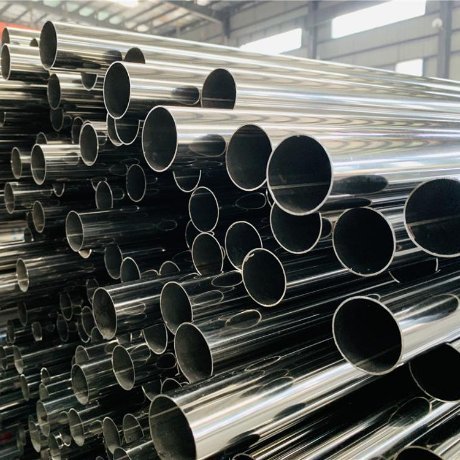
China's Steel Industry in March 2025: Policy-Driven Recovery Amid Global Uncertainties
The 17th China Steel Summit Forum (March 21–22, Zhengzhou) gathered over 2,000 industry leaders to discuss topics like smart manufacturing and green transitions6. Additionally, regional forums in Northeast and Southwest China addressed localized challenges. For example, the Northeast Steel Industry High-Quality Development Forum (March 26, Shenyang) emphasized digitalization and new opportunities in renewable energy projects
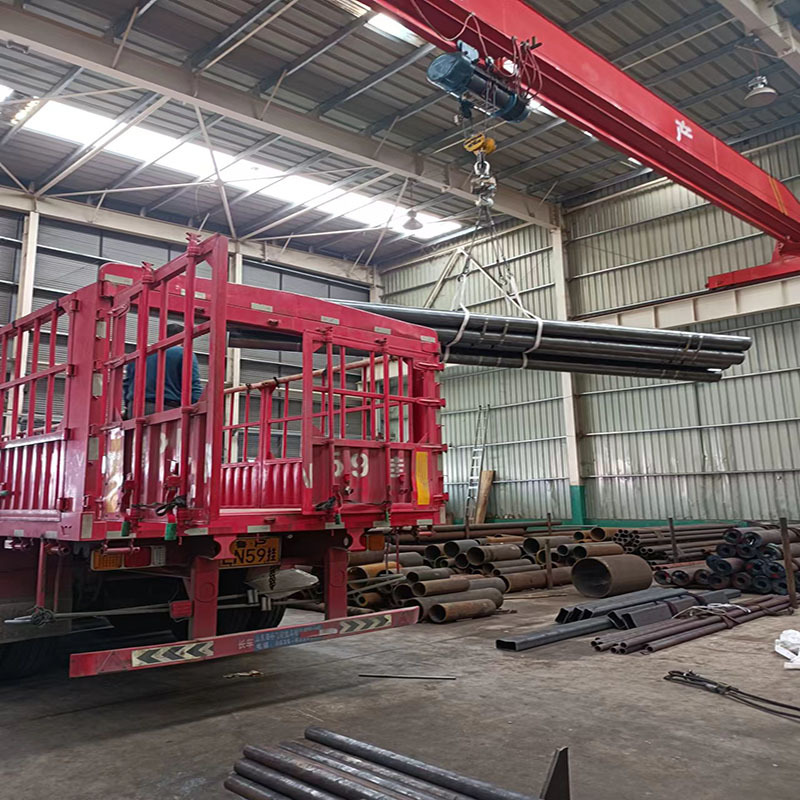
Seamless Steel Pipes: Versatile Solutions for Modern Industries
Seamless steel pipes, known for their durability and high performance, are indispensable across various industries. Their lack of welded seams ensures superior strength, pressure resistance, and reliability in demanding environments. Below, we explore key applications of seamless steel pipes and their critical role in advancing industrial operations.
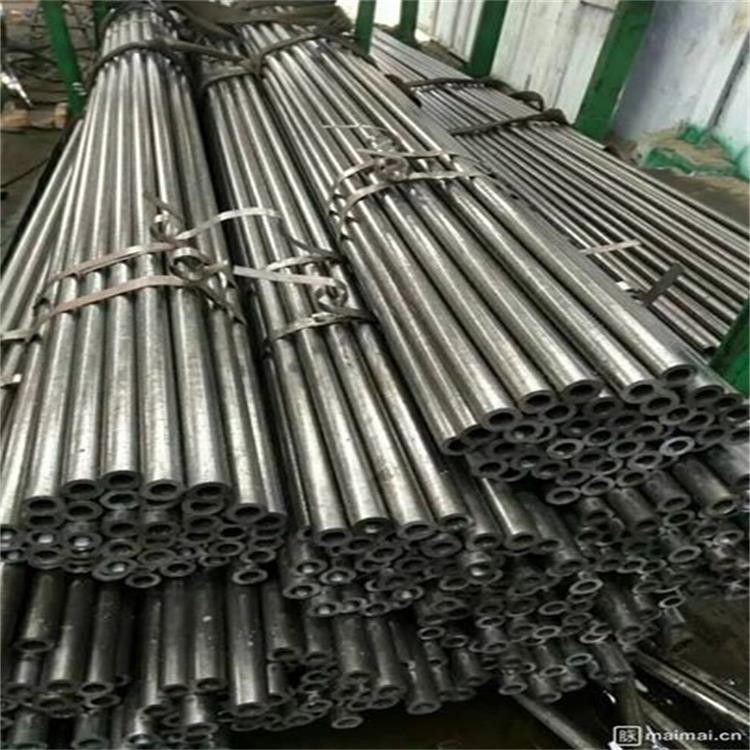
The Foreign Trade Metal Industry: Breaking Through Difficulties and Opening up New Prospects
In conclusion, despite the challenges, the foreign trade metal industry is brimming with potential. Shandong Xiyang Metal Materials Co., Ltd. is well - positioned to capitalize on these opportunities, thanks to our strategic partnerships, technological prowess, and customer - centric approach. We are committed to continuing our innovation drive and providing value - added services, with the aim of leading the industry into a new era of growth and prosperity.
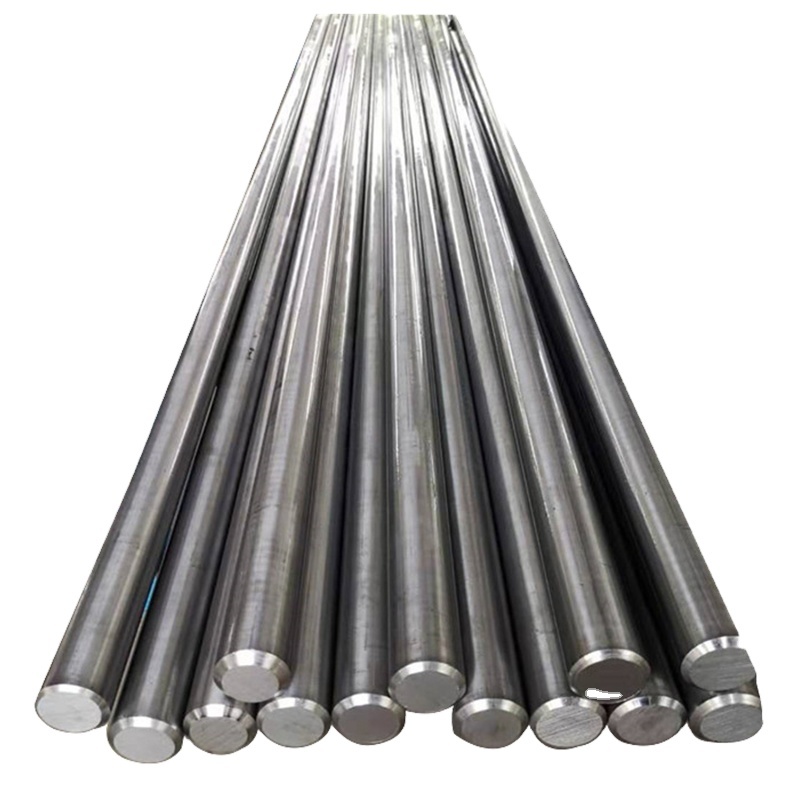
Stainless steel application field: innovation-driven, diversified expansion
In the current global industrial panorama, the versatility and reliability of stainless steel have rendered it an indispensable material across a vast spectrum of applications. Shandong Xiyang Metal Materials Co., Ltd. has been at the forefront of harnessing the potential of stainless steel, propelling its usage into new frontiers.
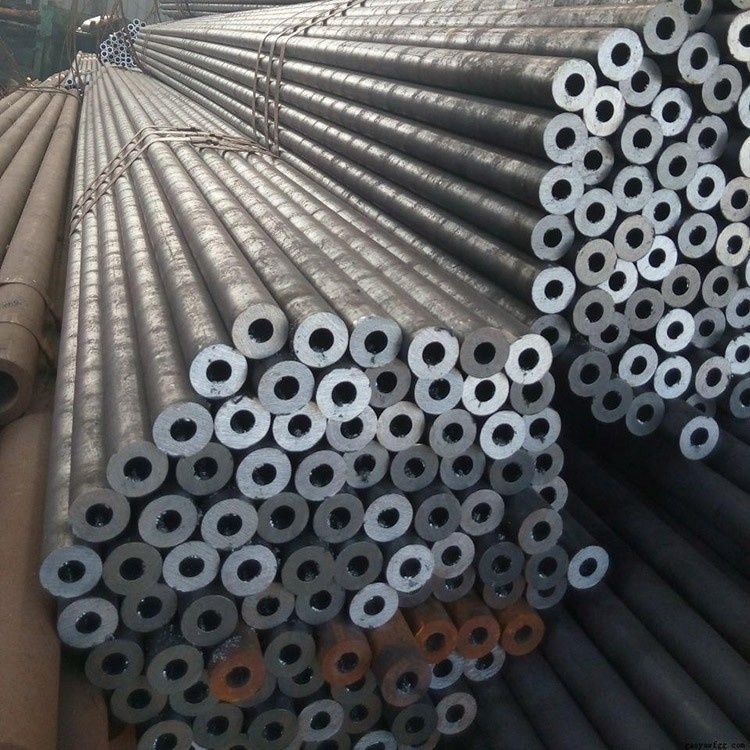
Carbon steel pipe. This is a common steel pipe material that includes steels with different carbon contents (low carbon steel, medium carbon steel, and high carbon steel). This type of steel pipe is usually used to transport fluids such as water and gas, and to make machine parts.
Welding connection is a common way to connect steel pipes. The connection is achieved by heating the steel pipe interface to melt the welding rod and fuse it with the steel pipe. This connection method has the advantages of firm connection, good sealing, good durability, low cost, and no need for frequent maintenance.
Huiyuan Metal Material Company
Zip Code: 252000
Add: Room 1005, Floor 10, Building 5, International Financial Center, Liaocheng Economic And Technological Development Zone, Shandong Province, Prc

Mobile Access
Copyright © Shandong Huiyuan Metal Material Company Limited